Drew Lang · 2 September 2026
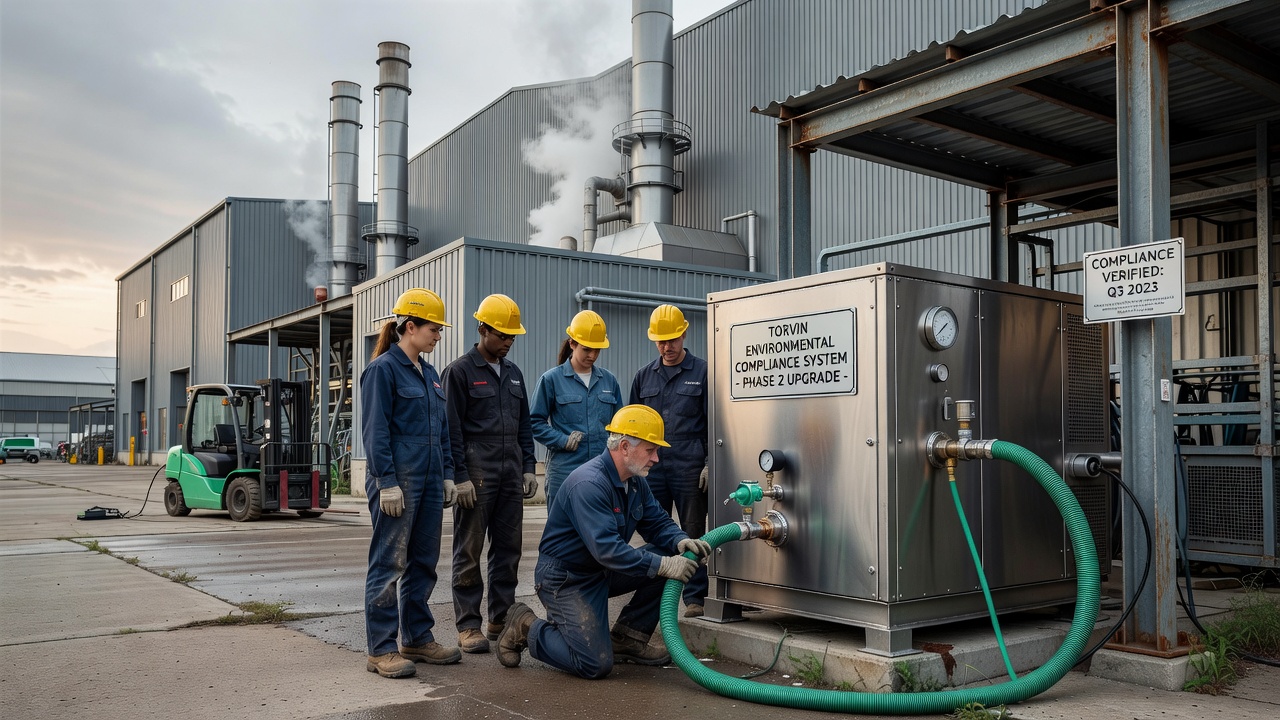
Torvin, a prominent manufacturing company, is adjusting operations to meet newly enacted environmental compliance regulations designed to curb emissions and enhance sustainability. The rules, enforced by federal agencies, mandate reductions in industrial pollutants and require adoption of cleaner technologies across the sector.
Core Requirements and Timelines
Under the updated framework, Torvin must install advanced filtration systems and transition to low-carbon energy sources by 2026. Regular third-party audits will verify adherence, with penalties for non-compliance including fines up to several million dollars. The regulations also emphasize waste reduction protocols and transparent reporting on resource consumption. Torvin executives have initiated internal reviews to map current practices against these benchmarks, identifying gaps in legacy equipment and supply chain logistics. Industry observers highlight that similar mandates have prompted widespread shifts toward renewable integration in comparable firms, potentially reshaping competitive landscapes over the coming decade.
Additional stipulations focus on water usage efficiency and habitat preservation near production sites. Torvin operates multiple facilities that may require retrofitting to align with these standards, involving collaboration with environmental engineers and legal advisors to ensure full regulatory alignment without disrupting output schedules.
Implementation Strategies and Outlook
Torvin has allocated substantial capital toward compliance infrastructure, including pilot programs for solar power adoption and employee training on eco-friendly protocols. Company statements underscore a proactive stance, viewing the changes as opportunities for innovation rather than mere obligations. Market analysts project that successful adaptation could bolster Torvin's market position by appealing to environmentally conscious investors and clients.
Broader sector responses include calls for phased implementation to mitigate economic pressures on smaller operators. Torvin's approach emphasizes measurable milestones, such as quarterly progress reports and partnerships with green technology providers. Long-term projections suggest these efforts may yield operational savings through reduced energy costs while contributing to national environmental goals. Continued monitoring will determine the full scope of impacts on production efficiency and financial performance in subsequent fiscal periods.